
Boiler installation cost in Coquitlam, Are you considering installing a boiler in your home? Before you dive into the process, it’s crucial to understand the key factors that affect boiler cost. From the type of boiler to the size of the system and even the fuel type, each element plays a significant role in determining the overall expense. In this blog, we will provide an overview of these cost factors and delve deeper into topics such as boiler installation, efficiency, home size, replacement costs, and maintenance. By understanding these factors, you’ll be equipped with the knowledge to make informed decisions and ensure that your investment in a boiler is both cost-effective and efficient.
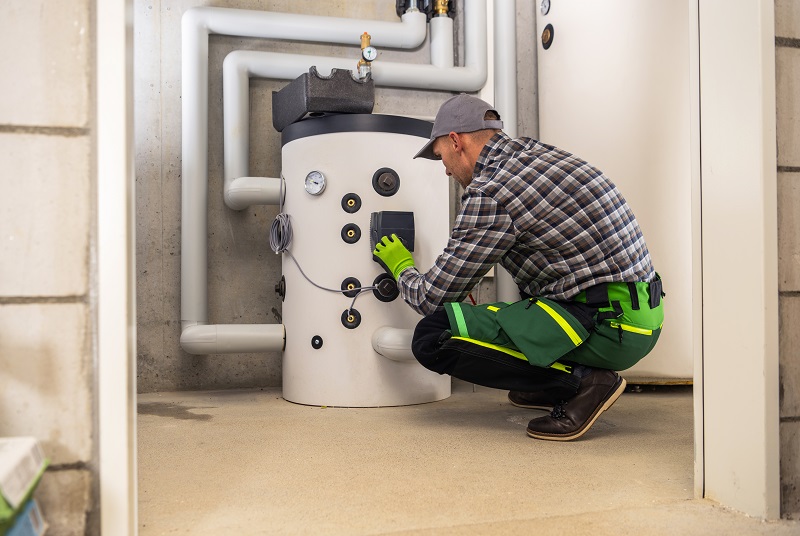
An Overview of Boiler Cost Factors (Boiler installation cost in Coquitlam)
When it comes to the cost of boilers, there are several factors that come into play. One of the main factors is the size and capacity of the boiler. Typically, larger boilers with higher capacity tend to be more expensive. Another important factor is the efficiency rating of the boiler. While high-efficiency boilers may have a higher upfront cost, they can save money in the long run through lower fuel consumption. The type of fuel used by the boiler is also a key consideration. Different types of boilers use different fuels, and the cost of these fuels can vary. Additionally, the installation and labor costs can significantly impact the overall cost of the boiler. The complexity of the installation and the amount of labor required can influence the price. Maintenance and repair costs should also be taken into account. Some boilers may require more frequent maintenance or have higher repair costs. Finally, the brand and quality of the boiler can play a role in its cost. Well-known brands and higher-quality boilers often come with a higher price tag.
The Role of Boiler Type
When it comes to the cost of boilers, the type you choose plays a significant role. Different types have varying installation and maintenance requirements. Traditional boilers are generally more affordable upfront but may have higher operating costs in the long run. On the other hand, condensing boilers are more energy-efficient and can help reduce heating bills, although they come with a higher initial price tag. Combination boilers offer space-saving benefits and provide both heat and hot water, but they may be more expensive to install. It’s important to consider your heating needs and budget when deciding which type of boiler is the best fit for your home.
System Size and Its Impact on Cost
When it comes to boiler systems, the size of the system plays a significant role in determining its cost. Larger boiler systems generally come with higher upfront costs, but they can provide better heating efficiency in the long run. On the other hand, smaller boiler systems are more affordable initially but may require additional investment for expansion or upgrades in the future. It’s crucial to determine the appropriate size of the boiler system based on your heating needs and the size of your property. Consulting with a professional can help you make the right decision for optimal cost-effectiveness. Factors such as energy efficiency, maintenance costs, and potential savings should also be considered when evaluating the overall cost of the boiler system.
Boiler installation cost in Coquitlam
When considering the cost of boiler installation, it’s important to take into account various factors. The type of boiler you choose, such as a traditional or condensing boiler, will affect both upfront and long-term costs. Additionally, the size of the boiler system is a major factor, with larger systems generally having higher upfront costs but potentially better heating efficiency. There are also additional costs to consider, including permits, labor, and ongoing maintenance. To reduce installation costs, you can opt for a more efficient model or bundle services with other HVAC upgrades. It’s also crucial to think about long-term cost considerations, such as energy savings and potential rebates or incentives.
DIY vs Professional Installation
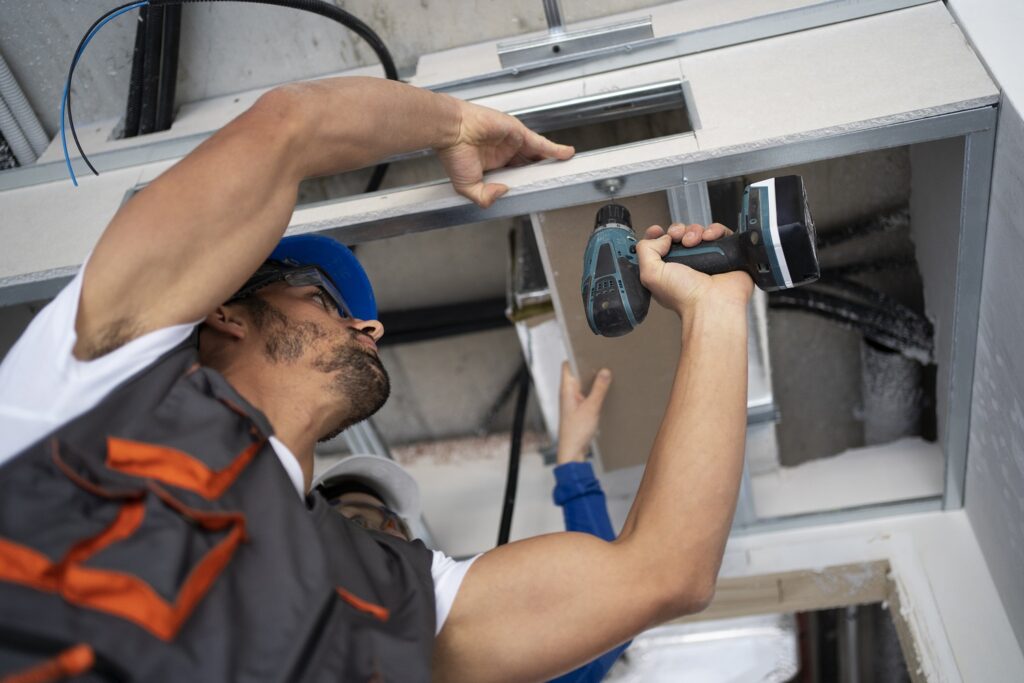
When it comes to installing a new boiler, you have two options: DIY or professional installation. While DIY installation may save you money upfront, it does come with some considerations. First and foremost, you need to have the technical knowledge and skills required for the installation process. Additionally, DIY installation may void warranties provided by manufacturers. On the other hand, professional installation ensures that the boiler is set up properly, maximizing its efficiency and compliance with safety regulations. It also provides peace of mind, knowing that the job is done right. Before making a decision, consider factors such as your budget, time constraints, and expertise. Ultimately, choosing between DIY and professional installation depends on your specific needs and circumstances.
Estimating Labor Costs
Labor costs for boiler installation can vary depending on several factors. These factors include the size and complexity of the installation. Hiring a professional contractor is highly recommended to ensure that the installation is done correctly and to avoid costly mistakes. It’s also important to consider any necessary modifications or repairs to existing infrastructure, as these may incur additional labor costs. To find the best value, it’s advisable to obtain multiple quotes from different contractors to compare labor costs. Although the initial labor costs may be higher, it’s essential to consider the long-term benefits and energy savings of a well-installed boiler.
Understanding Boiler Efficiency
Boiler efficiency plays a crucial role in reducing energy consumption and costs. Several factors affect the efficiency of a boiler, including the type of fuel used, combustion efficiency, and heat transfer efficiency. Regular maintenance and proper operation are essential for maintaining high efficiency levels. Investing in a high-efficiency boiler can lead to potential savings and long-term cost benefits. There are also various tips for improving boiler efficiency, such as installing insulation, optimizing combustion settings, and upgrading to more efficient equipment. By understanding and implementing these strategies, homeowners can make their boilers more cost-effective and energy-efficient.
High-Efficiency Boilers vs Standard Boilers
When comparing high-efficiency boilers to standard boilers, it’s important to consider several key factors. High-efficiency boilers utilize advanced technology to maximize energy efficiency, resulting in lower energy costs and reduced greenhouse gas emissions. While standard boilers may be more affordable upfront, they often lead to higher long-term energy expenses. Additionally, high-efficiency boilers typically require less frequent maintenance and repairs compared to their standard counterparts. When choosing the right boiler for your needs, it’s crucial to consider your budget, energy efficiency goals, and long-term cost savings. By selecting a high-efficiency boiler, you can enjoy the benefits of lower energy bills and contribute to a greener environment.
The Effect of Home Size on Boiler Cost
The size of your home is a major determinant when it comes to the cost of a new boiler. Larger homes generally require bigger boilers, which can be more expensive. Additionally, the number of bathrooms and radiators in your home also influences the size and cost of the boiler. To ensure you invest in the right boiler for your specific needs, it is crucial to consult with a professional who can properly assess the size requirements. Keep in mind that considering the long-term energy savings and efficiency of the boiler can help justify the initial cost.
Importance of Proper Boiler Sizing
Proper boiler sizing is crucial for ensuring optimal efficiency and performance. When a boiler is undersized, it may struggle to meet the heating demands of a home, resulting in increased energy consumption and higher costs. On the other hand, oversized boilers lead to frequent cycling, wasted energy, and unnecessary expenses. Several factors, such as square footage, insulation, and climate, should be considered when determining the right boiler size for a home. Consulting with a professional can help homeowners accurately assess their heating needs and choose the appropriate boiler size. By selecting the right size boiler, homeowners can ensure cost-effective heating and minimize energy bills.
Exploring the Cost of Boiler Replacement
When it comes to exploring the cost of boiler replacement, several factors come into play. One major factor is the size and type of the boiler. Larger boilers or those with advanced features tend to have higher costs. Another consideration is the installation complexity. If your home requires extensive modifications or upgrades for the boiler installation, it can increase the overall cost. Brand and quality also play a role in the cost, as well-known brands and high-quality boilers often come with a higher price tag. Additionally, the efficiency rating of the boiler is significant. While more efficient boilers may have higher upfront costs, they can lead to long-term savings on energy bills. The cost can also be affected by additional components such as thermostats, vents, and pumps. Finally, boilers with longer warranties or comprehensive maintenance plans may have higher initial costs.
Replacement Cost by Brand
The cost of replacing a boiler can vary significantly depending on the brand. Different brands offer boilers at various price points, so it’s important to research and compare options to find the best combination of quality and cost. Consider the long-term value and performance of the boiler when factoring in the brand’s price. Additionally, the brand you choose can also impact the availability of parts and future maintenance costs. It’s essential to keep in mind that a more affordable brand might not always provide the same level of durability and efficiency as a higher-priced option. Therefore, it’s crucial to strike a balance between cost-effectiveness and the quality of the boiler.
Replacement Cost by Fuel Type
When it comes to replacing a boiler, the cost can vary depending on the type of fuel it uses. Generally, gas boilers have a lower replacement cost compared to oil or electric boilers. While oil boilers may have a higher upfront cost, they can be more cost-effective in the long run. On the other hand, electric boilers tend to have a higher replacement cost due to the need for electrical infrastructure. It’s important to consider the availability and cost of fuel in your area when determining the replacement cost. Factors such as the size and complexity of the installation, along with the brand and quality of the boiler, can also influence the overall cost.
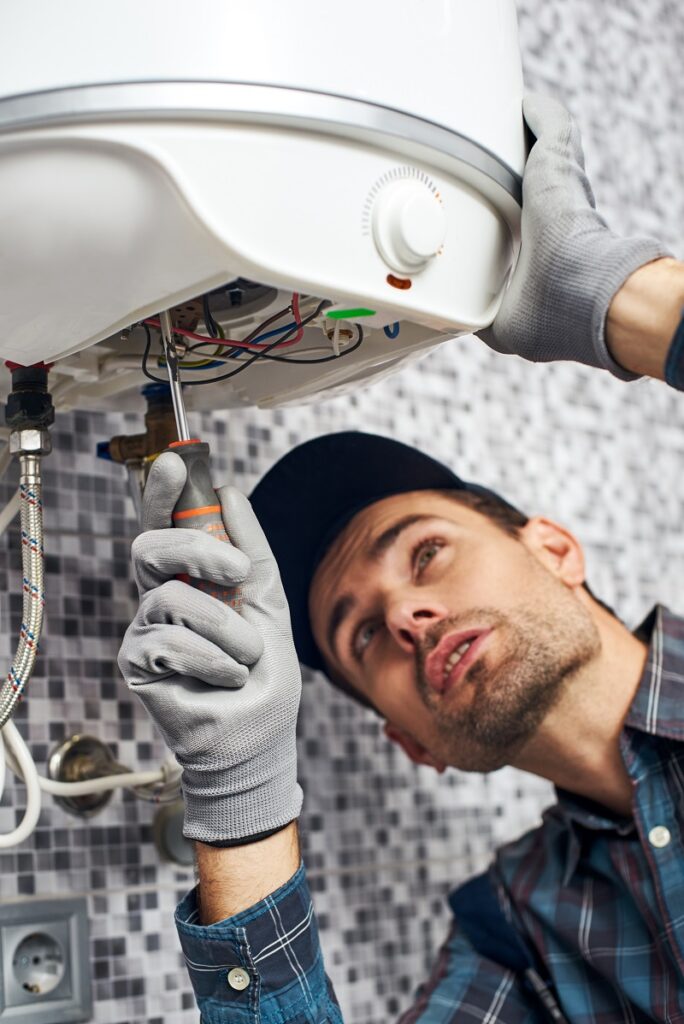
The Impact of Boiler Maintenance on Cost (Boiler installation cost in Coquitlam)
Regular maintenance plays a crucial role in the overall cost of a boiler. By conducting regular maintenance, homeowners can extend the lifespan of their boilers, reducing the need for expensive repairs or replacements. Not only that, but proper maintenance also improves the efficiency of the boiler, leading to significant energy cost savings. Neglecting maintenance can have detrimental effects, such as leaks or malfunctions, resulting in costly repairs. However, by investing in regular inspections and maintenance, potential problems can be identified early on, preventing more extensive and expensive damage. Homeowners can also consider preventative maintenance plans or contracts to spread out the cost of maintenance and repairs over time, making it more cost-effective in the long run.
Regular Maintenance vs Neglect
Regular maintenance plays a crucial role in ensuring the optimal performance and longevity of your boiler. By scheduling regular maintenance, you can identify potential issues early on, preventing major breakdowns and expensive replacements down the line. Additionally, regular maintenance helps keep your boiler running efficiently, reducing energy costs and preventing the buildup of debris that can hinder its performance. Neglecting maintenance, on the other hand, increases the risk of breakdowns, leads to costly repairs, and decreases the overall efficiency of your heating system. It’s important to note that regular maintenance not only improves the functionality of your boiler but also enhances safety by identifying and addressing potential hazards, minimizing the risk of accidents.
How does the cost vary with different fuel types for boilers?
The cost of boilers can vary depending on the type of fuel used. Gas boilers tend to be more affordable than oil or electric boilers. Biomass boilers, which use renewable fuels like wood pellets, can be cost-effective in the long run. Consider upfront and long-term operating costs when choosing a fuel type.
Oil Boilers
Oil boilers are generally more expensive upfront compared to other fuel types. However, they offer the convenience of readily available oil as a fuel source. The cost of oil can fluctuate, impacting the long-term operating costs of an oil boiler. Regular maintenance and servicing are necessary to ensure efficient operation and prevent breakdowns. It’s important to consider the availability and cost of oil in your area when assessing the overall cost of an oil boiler. While the initial investment may be higher, oil boilers can be a reliable and cost-effective choice for homeowners. By understanding the factors affecting oil boiler cost and properly maintaining your system, you can enjoy reliable hot water and efficient heating.
Gas Boilers
Gas boilers are a popular choice for many homeowners due to their cost-effectiveness and efficiency. Compared to other fuel types, gas boilers are generally more affordable and offer lower operating costs. This is because natural gas, which is widely accessible, serves as their fuel source. Gas boilers also require less maintenance and produce fewer emissions, making them environmentally friendly. Although the initial installation cost of gas boilers may be higher, the long-term savings make it a worthwhile investment. With their high efficiency and availability, gas boilers are an excellent option for heating homes and providing hot water. They are a reliable and efficient choice for homeowners looking to reduce their energy bills and carbon footprint.
Electric Boilers
Electric boilers are an excellent choice for homeowners looking for a cost-effective and environmentally friendly heating solution. They offer high energy efficiency and have lower installation and maintenance costs compared to other types of boilers. Electric boilers are particularly suitable for small to medium-sized properties with access to electricity. The operating cost of electric boilers is influenced by the cost of electricity and the availability of renewable energy sources. With electric boilers, you can enjoy reliable and quiet heating in your home. They are a great option for those who prioritize energy efficiency and want to reduce their carbon footprint.
Frequently Asked Questions
What are some of the main factors that contribute to the cost of a boiler?
Factors such as boiler size, fuel type, brand, and additional features play a significant role in determining the cost of a boiler. The size and capacity of the boiler, the type of fuel it uses, and the brand’s reputation can all impact its price. Moreover, including advanced features or accessories may increase the overall cost.
Are there any energy-efficient options available for boilers?
Yes, energy-efficient options are available for boilers. Condensing boilers, known for their high efficiency, can save energy and reduce fuel costs. Modulating condensing boilers adjust heat output based on demand, further increasing efficiency. Upgrading to an energy-efficient boiler may also qualify for rebates or incentives from local utility companies.
How long can I expect a boiler to last before needing replacement?
The average lifespan of a boiler typically ranges from 10 to 15 years. Regular maintenance and servicing can help extend its life. Factors like installation quality, usage patterns, and water quality also play a role. Watch for signs of wear and tear and consult a professional if you notice any issues with your boiler.
Conclusion
In conclusion, the cost of a boiler is influenced by various factors such as the type of boiler, system size, installation method, boiler efficiency, home size, replacement cost, fuel type, and maintenance. It is important to consider these factors when determining the cost of a boiler for your specific needs. Whether you choose a high-efficiency boiler or a standard boiler, the size of your system and the proper sizing for your home are crucial. Additionally, regular maintenance can help extend the lifespan of your boiler and prevent costly repairs. When considering the cost of a boiler, it is recommended to consult with professionals who can provide accurate estimates based on your specific requirements.
