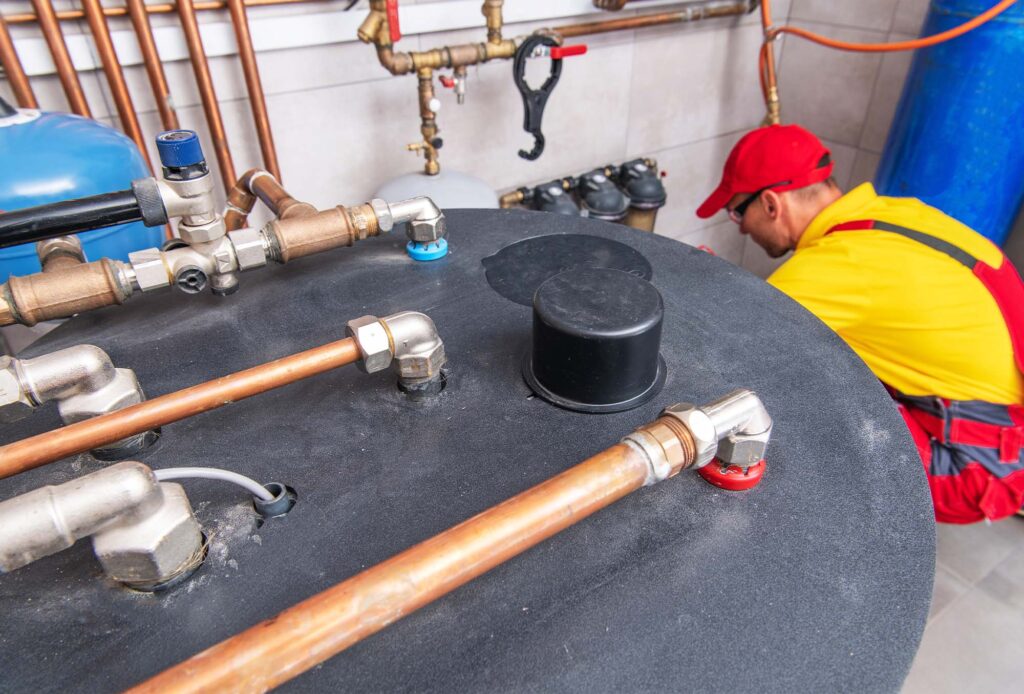
A hot water tank is an essential part of your daily routine, providing you with the comfort of warm water for your showers and baths. However, what do you do when it suddenly stops working? Don’t panic; we have got you covered! In this blog post, we will guide you through some quick fixes for hot water tank repair that you can try at home with minimal tools and expertise. From troubleshooting gas or electric water heaters to fixing issues like no hot water anywhere or not enough hot water supply, we have got it all covered. We’ll also provide you with a step-by-step guide to install a new hot water tank by yourself if needed. So, let’s get started and bring back the warmth of hot water into your life in no time!
Quick Fixes for Hot Water Tank Repair
If you’re struggling with your water heater’s performance, follow these tips for a quick fix. Start by checking the pilot light and relighting it if necessary. Next, examine the heating element and thermostat to make sure they’re functioning correctly. If needed, flush the tank to remove sediment that can reduce efficiency. Finally, consider adding insulation around your unit to prevent heat loss and save energy. Remember these simple solutions next time you face a hot water tank problem.
Gas or Electric Water Heater?
The choice between gas and electric water heaters impacts the repair process. Gas heaters may need professionals to fix due to gas leaks. Electric heaters typically require simpler repairs like replacing heating elements or thermostats, but power must be off. When unsure, seek professional assistance.
No Hot Water Anywhere
If you’re having trouble with your hot water heater and aren’t getting any hot water throughout your house, it could be due to a few different issues. To start troubleshooting, head to your circuit breaker or fuse box first to make sure that power is being delivered to your hot water tank. Next up is checking your thermostat settings and adjusting them as necessary. It’s also important to take a look at the heating element – you might need to replace it if it’s damaged. Lastly, flushing out any sediment buildup is recommended for better performance.
How to Relight a Gas Water Heater Pilot Light
If your hot water tank is not heating up enough or stopped heating altogether, it could be due to a pilot light that has gone out. Start by turning off the gas valve and waiting for any gas to dissipate before following the manufacturer’s instructions carefully. If you are uncertain about proceeding with relighting your gas burner, contact a professional plumber for their expertise in water heater repairs.
Secondary keyterms used – hot water tank, heating, hot water heater, electric water heater, plumbing, leak, breaker, heating element, insulation, thermostat, propane water heater
Troubleshooting Water Heater Burner Issues
If you encounter issues with your water heater’s burner, start by checking for any visible signs of damage or debris around the burner. Clogs or malfunctions could prevent it from igniting properly and cause a reduction in hot water supply. Troubleshoot the issue by following these steps and calling in a professional plumber if needed.
Troubleshooting Water Heater Gas Valve Problems
For troubleshooting issues with a hot water tank’s gas valve, first check if the pilot light is burning steadily. Relight it per manufacturer instructions if necessary. A faulty thermocouple or gas control valve may cause the pilot light to stay off. Homeowners should perform regular maintenance to avoid such problems and ensure that their hot water system heats water efficiently.
No Hot Water – Electric Water Heater
If you’re experiencing issues with your electric water heater not producing hot water, there are a few steps you can take. Start by checking the circuit breaker or fuse and inspecting the heating elements for damage. Test the thermostat to make sure it’s working correctly. If these steps don’t solve the problem, it may be time to call in a plumber for assistance.
Videos to Help with Electric Water Heater Issues
If you’re having trouble with your electric water heater, start by checking for any tripped circuit breakers or blown fuses. Inspect the heating elements for damage or malfunction and test the thermostat to make sure it’s working properly. If these steps don’t work, there are plenty of helpful videos online that can guide you through further troubleshooting and repairs.
Troubleshooting Electric Water Heater Problems
If you’re having issues with your electric water heater, troubleshoot by checking the circuit breaker and testing the temperature and pressure relief valve. If these are fine, consider replacing a faulty heating element or thermostat after turning off power. For new hot water heaters or tankless systems, ensure proper insulation and check for leaks around fittings, valves, or pipes. Use non-contact voltage testers before working on any electrical components!
Hot Water Not Working in Part of the House
If you’re having trouble with only one faucet not getting enough hot water, the issue is likely a clogged faucet aerator. But if you’re dealing with multiple fixtures, it’s more likely a problem with your water heater. Check for leaks in the plumbing and inspect pipes for blockages hindering hot water flow. Additionally, watch for changes in water temperature or pressure as they could affect overall supply.
No Hot Water in an Apartment
If your apartment’s hot water supply has dried up unexpectedly, start by checking if the heating unit is switched on and working properly. Inspect the plumbing lines for any leaks and ensure that no breakers have tripped. Look for physical damage in the hot water tank and its connections. If none of these measures work, consider reaching out to an experienced plumber who can diagnose and remedy the situation promptly.
Water Not Hot Enough
To ensure your water heater is running optimally and providing sufficient hot water to your home or business, it is crucial to address any issues related to insufficiently heated water. One way to do this is by checking the temperature setting on your hot water tank thermostat and inspecting the heating element for any defects. Flushing your hot water tank can also help remove sediment buildup that may be affecting its performance. Additionally, checking for leaks or problems with insulation in your plumbing system can aid in resolving any issues with your hot water supply.
Not Enough Hot Water Supply
If you’re experiencing a lack of hot water from your water heater, there are some simple steps you can take to troubleshoot the issue. Start by checking the temperature setting on the thermostat of your hot water heater. Additionally, inspecting and replacing faulty heating elements can help maintain heating efficiency. Flushing out any sediment buildup in your storage tank can also improve performance. Lastly, ensure that you have a sufficiently sized storage tank for your household’s needs.
What Causes Never Enough Hot Water?
Insufficient hot water in your tank may be due to sediment buildup, a damaged heating element, or malfunctioning thermostat. Regular maintenance and inspection can help prevent these issues. Flushing the tank prevents sediment buildup, while replacing a faulty heating element or adjusting/replacing a malfunctioning thermostat restores proper function.
What Causes Not Enough Hot Water Recently?
Insufficient hot water supply could have several causes, including malfunctioning heating elements or thermostats in the hot water tank, sediment accumulation, and pipe damage. Regular maintenance, such as flushing the tank and checking for leaks, can prevent these issues and guarantee a sufficient amount of hot water.
Installing a New Hot Water Tank Yourself
Installing a new hot water tank yourself requires careful planning beforehand. Ensure that you have all the necessary tools and equipment to get started. Before beginning any work on your hot water heater, always remember to turn off the power supply and water supply. Properly following manufacturer instructions is vital when installing your heater to avoid any potential issues down the line. Additionally, ensure you are aware of any hazards such as gas leaks or fumes while working with gas or propane tanks.
Tools Required for Installation
To install a new hot water tank, you need specific tools such as pipe wrenches, adjustable pliers, tubing cutter, and propane torch. Sealing connections require Teflon tape and pipe dope. Follow manufacturer instructions diligently while turning off gas/power supplies before installation. A helper may assist in lifting/positioning the tank. Before turning on water supply/tester- double-check all fittings & connections. Adequate DIY knowledge related to plumbing is required for this process.
Materials Required for Installation
To replace your hot water tank, you’ll need several materials including a new tank, pipe wrenches, Teflon tape, and a flexible hose. Start by turning off the power supply and water source before draining and removing the old tank. Make sure to take note of all connections and fittings. To install the new tank, connect it to existing pipes using Teflon tape for a tight seal. Test everything before turning on the water supply and power source. Don’t forget to follow manufacturer instructions carefully for safety.
Getting Started with Your Tank Installation
To begin a hot water tank replacement project safely and smoothly without causing any leaks or damage to pipes and fittings in your home’s plumbing system requires taking four necessary steps. Start by switching off both the power supply and cold-water inlet valve to your existing hot water heater. Then empty out all of its hot contents before checking for leaks or structural damage in any nearby pipes or valves. Next up is carefully following all included instructions from your manufacturer’s manual while connecting each required component with precision down to every last fitting. Finally fill up the newly installed unit with cold H2O so you can test out its heating elements thoroughly using a non-contact voltage tester.
Parts and Breakdown of a Water Heater
To understand the mechanics of a water heater fully, it’s crucial to know its various components. These include the heating element and anode rod that ensure proper heating and prevent corrosion respectively. The pressure relief valve helps regulate water pressure while the thermostat controls the temperature of hot water delivery. Shutting off power supply is essential before attempting any repair work or installation. Regular maintenance can prolong its lifespan and avoid costly repairs.
When to Get a New Water Heater
If you’re experiencing issues with your hot water heater, it might be time for a replacement rather than constant repairs. Leaks, rust, and strange noises are signs that a new water heater is necessary. Although DIY installation can save money, it requires knowledge of plumbing and electrical work. The size and type of the unit should be chosen based on your household’s hot water usage. Proper maintenance can extend the life of your heater and avoid expensive repairs.
Step-by-Step Guide to Replacing Your Hot Water Tank
Replacing a hot water tank requires knowledge of both plumbing and electrical work. The first step is to turn off both the power and water supply to the old tank. After that, drain the old tank and disconnect it from pipes and electrical connections. Next, install a new one following manufacturer instructions precisely while making sure all connections are secure. Refill with cold water carefully while monitoring for leaks before turning on power supply & disposing of your old tank properly.
Conclusion
In conclusion, hot water tank repair can be quite challenging if you don’t have the know-how. It’s always best to call a professional if you’re unsure about what to do. However, with these quick fixes and troubleshooting tips, you can get your hot water back up and running in no time. Whether it’s a gas or electric water heater, we’ve got you covered. And if it turns out that you need a new hot water tank, we also have a step-by-step guide on how to replace it yourself. Don’t let hot water tank issues disrupt your daily routine. Follow our tips and tricks for an easy fix.
