
HVAC maintenance is crucial to ensure your system performs at its best. Regular maintenance tasks like cleaning filters, inspecting ductwork, and scheduling professional visits can prevent breakdowns, improve energy efficiency, and enhance indoor air quality.
In this blog post, we’ll guide you through the key steps of HVAC maintenance, from basic DIY tasks to the benefits of professional servicing.
Discover how to keep your HVAC system running smoothly year-round and enjoy a comfortable and healthy home environment. Prioritize HVAC maintenance and unlock the full potential of your heating and cooling system.

I. Introduction
Discover essential HVAC maintenance tips for optimal performance. Improve energy efficiency and reduce costs with our expert advice. Let’s get started!
Importance of HVAC maintenance
Regular HVAC service can save homeowners a significant expense in repair costs in the long run. Proper preventative maintenance tasks such as cleaning or replacing air filters, checking refrigerant lines for leaks or mold buildup, ensuring proper airflow through ductwork and vents, testing electrical connections for wear or damage can help homeowners maintain peak efficiency throughout the year.
Seasonal maintenance tips for heating and cooling systems include spring preparation for cooling season with a checklist that includes inspection of evaporator coils, calibrating thermostats, clearing condensate drain lines before the summer heat sets in; fall preparation to check furnace burners and heat exchangers to prepare for colder weather.
Professional preventive HVAC maintenance plans offered by reputable HVAC companies ensure homeowners get regular maintenance check ups on their HVAC equipment to avoid significant future problems.
Benefits of keeping your system in top shape
Maintaining your HVAC system is not only a good idea but also a significant expense saver. Regular HVAC maintenance tasks such as cleaning and replacing the air filter, inspecting ductwork, lubricating moving parts, and regulating thermostat settings helps maintain peak efficiency levels for your system.
Further benefits of regular HVAC maintenance include preventing costly repairs or replacements in the future while possessing better indoor air quality levels inside your home. It also lowers carbon monoxide risks. Ensure a longer life for your HVAC equipment by following an annual preventive maintenance plan.
II. Regular HVAC Maintenance Tasks
Regular HVAC maintenance tasks are essential to ensure the smooth functioning of your HVAC system. Maintaining a clean filter is an absolute must as it helps regulate proper airflow through the system. Monitoring refrigerant lines or coils for leaks or buildup also keeps the unit running efficiently while avoiding significant expense in expensive repairs. Clearing debris from outdoor units and ensuring good clearance around them is another best practice to maintain peak efficiency throughout the cooling season.
A. Cleaning and replacing air filters
Regular HVAC Maintenance Tasks: Key Steps for System Performance and Longevity. Discover how simple maintenance routines can save you money and ensure a comfortable indoor environment. Explore our comprehensive guide to keep your HVAC system running smoothly year-round.
B. Checking and cleaning condenser coils
Proper maintenance of your HVAC system is crucial for its longevity and peak efficiency. Checking and cleaning the condenser coils is one such essential task that helps transfer heat to the outside air.
Accumulation of dirt and debris on the coils can reduce their effectiveness over time. To ensure optimal performance, use soft brushes or commercial coil cleaners for cleaning the condenser coils regularly.
C. Clearing debris from outdoor unit
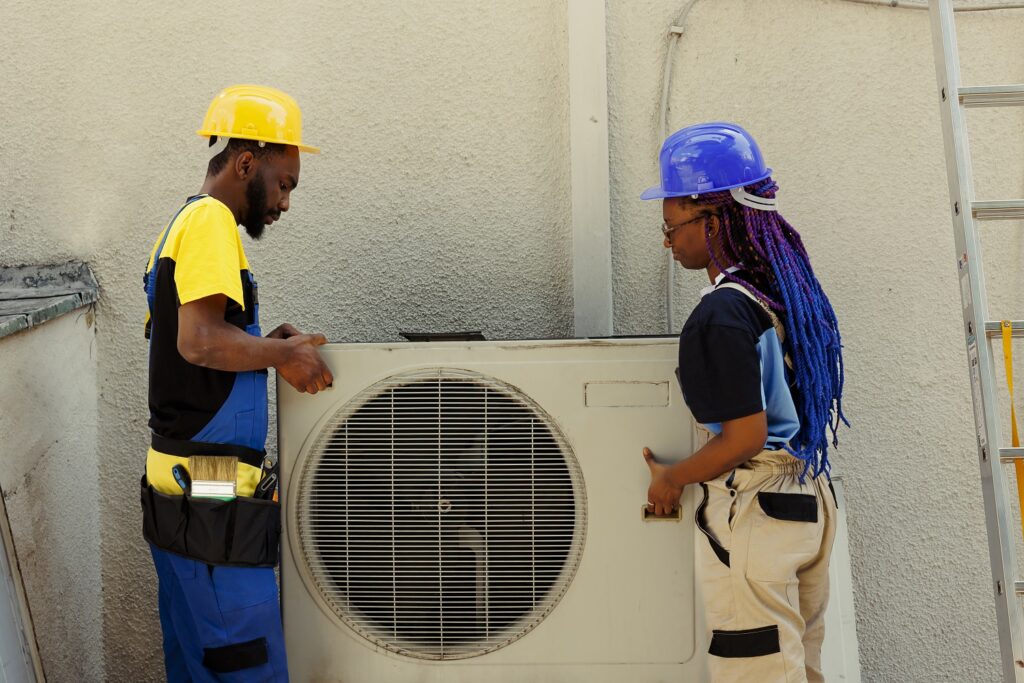
To maintain optimal performance of your HVAC system it is essential to include clearing debris from your outdoor unit in your regular maintenance tasks.
This simple task involves using a broom or rake to remove leaves and twigs without damaging the fins or coils. It also requires trimming nearby bushes or plants that could obstruct airflow and lead to costly repairs.
Preventing airflow restrictions is key in preventing breakdowns as well as reducing energy bills. So make sure to add this task to your HVAC maintenance plan for peak efficiency and lower energy costs.
D. Inspecting and cleaning ductwork
Regularly inspecting and cleaning your ductwork is crucial for maintaining peak efficiency of your HVAC system. It ensures proper airflow throughout your home, improving indoor air quality and extends the lifespan of your HVAC equipment. Failure to clean dirty or clogged ducts can lead to costly repairs in the future.
E. Lubricating moving parts
A crucial part of this maintenance involves regularly lubricating the moving parts of your HVAC equipment. This helps prevent friction and wear that can reduce its lifespan. Remember to use the right type and amount of lubricant when completing this task–over-lubrication can cause harm to your system.
F. Checking and adjusting thermostat settings
As the control center for your HVAC system, the thermostat plays a critical role in maintaining its efficiency.
Ensure that the thermostat is set at an appropriate temperature for the time of day or season. Investing in a programmable thermostat can help you automatically adjust temperature settings based on your schedule.
By contacting a professional HVAC technician, you can avoid future problems and prevent expensive repairs while keeping energy costs low.

III. Seasonal HVAC Maintenance Tips
Seasonal check-ups are vital for maintaining your Heating, ventilation, and air conditioning system’s efficiency.
Before cooling season arrives in springtime, you must perform several maintenance tasks. Regularly performing these tasks can prevent costly repairs while ensuring peak performance.
Preventative maintenance can improve indoor air quality, reduce energy costs while preventing future problems.
A. Spring: Preparing for cooling season
Preparing your cooling system for the upcoming season requires adhering to a maintenance plan. Begin by enhancing indoor air quality and increasing energy efficiency with clean or new air filters.
Check the outdoor unit for any debris buildup and mold growth that can lead to significant expense in repairs later on.
Have a professional HVAC technician perform preventive maintenance tasks such as inspecting electrical connections and refrigerant lines; consider upgrading to a programmable thermostat for peak efficiency and lowered utility bills.
1. Checking and cleaning air conditioner coils
One vital task is checking and cleaning the air conditioner coils regularly. Dirty coils not only reduce airflow but also cause your AC to work harder, leading to expensive repairs and higher utility bills.
A thorough cleaning with a soft brush or compressed air can remove dirt buildup and improve indoor air quality while preventing mold growth. Make sure to add this task to your HVAC maintenance checklist every year before cooling season begins.
2. Testing and calibrating thermostat
Begin by cross-checking the temperature displayed on your thermostat with an independent thermometer to ensure accuracy.
It’s also important to keep the thermostat level and away from direct sunlight or drafts.
Adjusting the anticipator setting may be required for optimal temperature control. Upgrading to a programmable thermostat allows more convenience and energy savings in the long run.
3. Clearing condensate drain line
Dirt and debris buildup within the drain line can cause clogs and water damage over time. To prevent these problems from occurring, you should flush the drain line with a mixture of vinegar and water or use a wet/dry vacuum at least once a year.
By incorporating this simple task into your regular maintenance routine, you can ensure that your HVAC system remains in peak condition for years to come.
B. Fall: Preparing for heating season
To prepare for the upcoming heating season and ensure optimal functioning of your HVAC system, you need to take some necessary steps.
1. Checking and cleaning furnace burners
One of the essential tasks is cleaning furnace burners which help prevent carbon monoxide leaks and improve heating efficiency. It’s important to remember to turn off the power supply before performing this task using a soft brush or vacuum cleaner to remove dirt and debris safely.
Consider scheduling annual professional maintenance as well for more in-depth cleaning and inspection of your HVAC equipment.
2. Testing and adjusting gas pressure
Testing and adjusting the gas pressure according to the manufacturer specifications can ensure safe operation while improving the system’s performance and lifespan.
Improper gas pressure can cause inefficiencies or even safety hazards. Therefore, it’s better to hire an experienced HVAC technician with specialized equipment for testing.
3. Inspecting and cleaning heat exchanger
Regular inspection and cleaning of the heat exchanger help maintain peak efficiency and improves indoor air quality while reducing utility bills.
Remember to turn off the power before using a soft brush or vacuum cleaner to remove dirt and debris from its surface.
Observe for any cracks or damage which require immediate attention from an experienced HVAC technician. By following this simple maintenance checklist regularly, you can prevent significant expenses on expensive repairs in the future.
IV. Energy Efficiency Tips
Homeowners looking to improve energy efficiency should consider having a maintenance plan in place for their HVAC system that includes regular tasks like cleaning or replacing air filters and inspecting ductwork. Here are the most important tips:
A. Sealing air leaks in ductwork
Leaks can cause increased energy bills and reduced indoor air quality due to dust and other pollutants entering through gaps in the ductwork joints and seams.
A professional Heating, ventilation, and air conditioning technician can test for air leaks using specialized equipment and seal them effectively.
Regular preventive maintenance tasks such as sealing air leaks are the best way to avoid significant expenses associated with future problems. So schedule today with a professional HVAC company to lower your energy bills!
B. Insulating exposed pipes
Proper insulation of exposed HVAC system pipes is crucial to prevent heat loss and improve energy efficiency while reducing your energy bills.
Insulation sleeves or tape can be used in unheated areas such as basements or attics. It significantly reduces the risk of frozen pipes during colder months.
Moreover, by insulating HVAC system pipes correctly and preventing leaks, you can protect them from future problems while prolonging its longevity and peak efficiency.
C. Installing a programmable thermostat
One of the best ways to save on HVAC costs is installing a programmable thermostat. It is designed to adjust the temperature automatically when homeowners are away from their homes or during off-peak hours.
By taking that action, it reduces unnecessary energy consumption while keeping the HVAC system in top shape. The advanced models of these thermostats can be controlled via smartphones or tablets from remote locations.
D. Using ceiling fans to improve airflow
Ceiling fans can be a valuable addition to your home’s heating and cooling system. Proper use of ceiling fans can optimize airflow throughout your house and lessen the load on your HVAC equipment, decreasing utility bills.
Regular cleaning of these appliances will ensure optimal performance and energy efficiency. In winter months rotate it clockwise so that it pushes warm air down providing adequate heating; in summers adjust it anti-clockwise for cool breeze. Always choose Energy Star certified products for added benefits.

V. Professional HVAC Maintenance
Professional HVAC maintenance is essential for ensuring optimal performance of your heating, cooling, and ventilation system.
Regular preventive maintenance tasks can help you avoid expensive repairs in the future while also ensuring peak efficiency.
A. Importance of scheduling annual maintenance
To maintain the peak efficiency of your HVAC system, it’s essential to schedule preventive maintenance every year.
Professionals will inspect and clean various components like the air filter, coils, and blower motor while checking for potential issues that could cause significant expenses in future repairs.
B. Benefits of hiring a professional HVAC technician
Hiring a professional HVAC technician for regular maintenance tasks is a good idea as it has multiple benefits. They possess the necessary tools and expertise to detect and resolve potential issues before they turn into significant expenses. Moreover, their thorough cleaning and inspection of components like ductwork, filters and coils can ensure proper airflow while enhancing indoor air quality.
In addition to extending the lifespan of your HVAC equipment resulting in lower energy bills; it also provides preventive maintenance that helps avoid future problems with electrical connections or refrigerant lines.
C. What to expect during a professional maintenance visit
During a professional HVAC maintenance visit by an experienced technician, various components of your system are inspected. This includes cleaning and checking coils, filters, ducts, refrigerant lines, wiring and drain lines etc. Identification of leaks or other issues that might adversely affect the efficiency of your system is also taken care of during this visit.
What are the benefits of using a home maintenance service?
Using a home maintenance service offers several benefits, including saving time and effort, ensuring regular upkeep of your home, preventing costly repairs, increasing property value, and enjoying a safe and comfortable living environment.
How long does it take to get your air conditioner fixed by an HVAC service?
The time it takes to get your air conditioner fixed by an HVAC service can vary depending on factors such as the nature of the problem, availability of parts, and the workload of the HVAC service provider.
In general, HVAC service providers strive to provide timely repairs and aim to resolve issues as quickly as possible to minimize disruption to your comfort.
It is best to contact your chosen HVAC service provider for a more accurate estimate of the repair timeline based on your specific situation.
How much will that cost me?
The cost of HVAC services can vary depending on factors such as the nature of the service required, the complexity of the job, and the specific HVAC service provider you choose.
It is recommended to request a quote or estimate from the HVAC service provider to get a more accurate understanding of the cost based on your specific needs.
Will there be any hidden fees or extra costs that I don’t know about yet when I call to schedule my appointment?
Reputable HVAC service providers typically strive to be transparent and upfront about their pricing. It’s always a good idea to ask about any potential hidden fees or additional costs when scheduling your appointment.
This way, you can have a clear understanding of the services included and any potential extra charges that may apply. Communication with the HVAC service provider will help ensure transparency and avoid any surprises regarding the cost of the service.
Conclusion
Regular HVAC maintenance is crucial to ensure that your system is running efficiently and effectively. By following these tips, you can keep your system in top shape and avoid costly repairs or replacements. Remember to schedule professional maintenance at least once a year to catch any potential issues early on.
The benefits of regular HVAC maintenance are numerous, such as improved energy efficiency, better indoor air quality, and increased comfort levels in your home or office.
Don’t neglect the upkeep of your HVAC system – take care of it, and it will take care of you. If you need professional help with your HVAC maintenance, contact us today for a consultation.
HVAC Maintenance Tips: Keeping Your System in Top Shape
Your HVAC system is an important aspect of your home, providing you with comfort and clean air to breathe. However, like any other equipment, it needs regular maintenance to remain in top shape.
Neglecting your HVAC system can lead to premature failure, high energy bills, and poor indoor air quality. In this blog post, we will provide you with tips on how to keep your HVAC system performing optimally.
From regular maintenance tasks like cleaning air filters and inspecting ductwork to seasonal tips for preparing for heating and cooling seasons, we’ve got you covered. We’ll also cover energy efficiency tips and the benefits of hiring a professional HVAC technician for annual maintenance visits.
Don’t wait until you’re faced with costly repairs or replacements – start taking care of your HVAC system today!
I. Introduction
Keeping your HVAC system in top shape is crucial for peak efficiency. Regular maintenance tasks such as cleaning and replacing air filters, checking condenser coils, and inspecting ductwork are just some of the ways to ensure optimal performance.
During seasonal changes, it’s important to prepare for both cooling and heating seasons by checking air conditioner coils or furnace burners respectively.
Increasing energy efficiency involves sealing air leaks in ductwork, installing a programmable thermostat for better control, and using ceiling fans to improve airflow.
Scheduling annual professional HVAC maintenance prevents future problems while lowering energy bills and maintaining indoor air quality.
Importance of HVAC maintenance
Regular HVAC service can save homeowners a significant expense in repair costs in the long run. Proper preventative maintenance tasks such as cleaning or replacing air filters, checking refrigerant lines for leaks or mold buildup, ensuring proper airflow through ductwork and vents, testing electrical connections for wear or damage can help homeowners maintain peak efficiency throughout the year.
Seasonal maintenance tips for heating and cooling systems include spring preparation for cooling season with a checklist that includes inspection of evaporator coils, calibrating thermostats, clearing condensate drain lines before the summer heat sets in; fall preparation to check furnace burners and heat exchangers to prepare for colder weather.
Professional preventive HVAC maintenance plans offered by reputable HVAC companies ensure homeowners get regular maintenance checkups on their hvac equipment to avoid significant future problems.
Benefits of keeping your system in top shape
Maintaining your HVAC system is not only a good idea but also a significant expense saver. Regular HVAC maintenance tasks such as cleaning and replacing the air filter, inspecting ductwork, lubricating moving parts, and regulating thermostat settings helps maintain peak efficiency levels for your system.
Further benefits of regular HVAC maintenance include preventing costly repairs or replacements in the future while possessing better indoor air quality levels inside your home. It also lowers carbon monoxide risks. Ensure a longer life for your HVAC equipment by following an annual preventive maintenance plan.
II. Regular Maintenance Tasks
Regular HVAC maintenance tasks are essential to ensure the smooth functioning of your HVAC system. Maintaining a clean filter is an absolute must as it helps regulate proper airflow through the system.
Monitoring refrigerant lines or coils for leaks or buildup also keeps the unit running efficiently while avoiding significant expense in expensive repairs.
Clearing debris from outdoor units and ensuring good clearance around them is another best practice to maintain peak efficiency throughout the cooling season.
Regular maintenance like cleaning ductwork or inspecting electrical connections can prevent future problems and costly repairs in the long run.
A. Cleaning and replacing air filters
Regular maintenance tasks like cleaning and replacing air filters should not be overlooked in any HVAC system. By doing this task regularly, you can avoid potential breakdowns and reduce your energy bills significantly.
It is recommended to clean or replace the air filter at least once every three months using high-quality filters that meet the specifications of your HVAC system.
This way you can ensure proper airflow, improve indoor air quality, and extend the lifespan of your HVAC equipment.
Don’t let a clogged or dirty filter become a significant expense in the future, instead follow this simple preventive maintenance plan to keep your HVAC system running at peak efficiency.
B. Checking and cleaning condenser coils
Proper maintenance of your HVAC system is crucial for its longevity and peak efficiency. Checking and cleaning the condenser coils is one such essential task that helps transfer heat to the outside air.
Accumulation of dirt and debris on the coils can reduce their effectiveness over time. To ensure optimal performance, use soft brushes or commercial coil cleaners for cleaning the condenser coils regularly.
Following a preventive maintenance plan can save you significant expense in future repairs while also improving indoor air quality and lowering energy bills.
C. Clearing debris from outdoor unit
To maintain optimal performance of your HVAC system it is essential to include clearing debris from your outdoor unit in your regular maintenance tasks.
This simple task involves using a broom or rake to remove leaves and twigs without damaging the fins or coils. It also requires trimming nearby bushes or plants that could obstruct airflow and lead to costly repairs.
Preventing airflow restrictions is key in preventing breakdowns as well as reducing energy bills. So make sure to add this task to your HVAC maintenance plan for peak efficiency and lower energy costs.
D. Inspecting and cleaning ductwork
Regularly inspecting and cleaning your ductwork is crucial for maintaining peak efficiency of your HVAC system.
It ensures proper airflow throughout your home, improving indoor air quality and extends the lifespan of your HVAC equipment.
Failure to clean dirty or clogged ducts can lead to costly repairs in the future. Hiring a professional HVAC technician to perform regular preventive maintenance tasks like checking for leaks, cleaning out debris or dust buildup in the ducts, and ensuring proper airflow will reduce utility bills while enhancing indoor comfort.
E. Lubricating moving parts
Proper maintenance is key to ensuring that your HVAC system runs smoothly. A crucial part of this maintenance involves regularly lubricating the moving parts of your hvac equipment.
This helps prevent friction and wear that can reduce its lifespan. Remember to use the right type and amount of lubricant when completing this task–over-lubrication can cause harm to your system.
By taking care of this preventive maintenance task regularly, you can keep your hvac system running at peak efficiency for a long time.
F. Checking and adjusting thermostat settings
Maintaining peak efficiency of your HVAC system requires regular checking and adjusting of the thermostat settings.
As the control center for your HVAC system, the thermostat plays a critical role in maintaining its efficiency.
Ensure that the thermostat is set at an appropriate temperature for the time of day or season. Investing in a programmable thermostat can help you automatically adjust temperature settings based on your schedule.
Contact a professional HVAC technician if there are issues with your thermostat like incorrect readings or malfunctioning controls.
By doing so, you can avoid future problems and prevent expensive repairs while keeping energy costs low.
III. Seasonal Maintenance Tips
Seasonal check-ups are vital for maintaining your HVAC system’s efficiency. Before cooling season arrives in springtime, you must perform several maintenance tasks like cleaning air conditioner coils, testing & calibrating thermostats, and clearing condensate drain lines.
Similarly, during fall before heating season begins, you should check & clean furnace burners and inspect & clean heat exchangers.
Regularly performing these tasks can prevent costly repairs while ensuring peak performance. Preventative maintenance can improve indoor air quality, reduce energy costs while preventing future problems.
A. Spring: Preparing for cooling season
Preparing your cooling system for the upcoming season requires adhering to a maintenance plan. Begin by enhancing indoor air quality and increasing energy efficiency with clean or new air filters.
Check the outdoor unit for any debris buildup and mold growth that can lead to significant expense in repairs later on.
Have a professional HVAC technician perform preventive maintenance tasks such as inspecting electrical connections and refrigerant lines; consider upgrading to a programmable thermostat for peak efficiency and lowered utility bills.
1. Checking and cleaning air conditioner coils
Proper maintenance of your HVAC system is crucial for peak efficiency and lower energy bills. One such vital task is checking and cleaning the air conditioner coils regularly.
Dirty coils not only reduce airflow but also cause your AC to work harder, leading to expensive repairs and higher utility bills.
A thorough cleaning with a soft brush or compressed air can remove dirt buildup and improve indoor air quality while preventing mold growth.
Make sure to add this task to your HVAC maintenance checklist every year before cooling season begins.
2. Testing and calibrating thermostat
Regular testing and calibration of your thermostat is crucial in maintaining the peak efficiency of your HVAC system.
Begin by cross-checking the temperature displayed on your thermostat with an independent thermometer to ensure accuracy.
It’s also important to keep the thermostat level and away from direct sunlight or drafts. Adjusting the anticipator setting may be required for optimal temperature control.
Upgrading to a programmable thermostat allows more convenience and energy savings in the long run.
3. Clearing condensate drain line
To keep your HVAC system running smoothly and avoid costly repairs down the road, it is vital to perform regular preventive maintenance tasks such as clearing the condensate drain line.
Dirt and debris buildup within the drain line can cause clogs and water damage over time. To prevent these problems from occurring, you should flush the drain line with a mixture of vinegar and water or use a wet/dry vacuum at least once a year.
By incorporating this simple task into your regular maintenance routine, you can ensure that your HVAC system remains in peak condition for years to come.
B. Fall: Preparing for heating season
To prepare for the upcoming heating season and ensure optimal functioning of your HVAC system, you need to take some necessary steps.
First off, check and replace air filters regularly for proper airflow and reduced strain on your HVAC system. Secondarily inspect ductwork regularly to avoid energy wastage due to leaks or damages resulting in poor indoor air quality.
Thirdly clean the outdoor unit from debris accumulation during summers. Lastly hire a professional technician to conduct a maintenance check-up before winter arrives to prevent future problems.
1. Checking and cleaning furnace burners
To keep your HVAC system running smoothly for a long time, regular preventive maintenance is essential. One of the essential tasks is cleaning furnace burners which help prevent carbon monoxide leaks and improve heating efficiency.
It’s important to remember to turn off the power supply before performing this task using a soft brush or vacuum cleaner to remove dirt and debris safely.
Consider scheduling annual professional maintenance as well for more in-depth cleaning and inspection of your HVAC equipment.
2. Testing and adjusting gas pressure
During seasonal maintenance, it’s important to have your HVAC system’s gas pressure tested and adjusted by a qualified technician.
Testing and adjusting the gas pressure according to the manufacturer specifications can ensure safe operation while improving the system’s performance and lifespan.
Improper gas pressure can cause inefficiencies or even safety hazards.Therefore, it’s better to hire an experienced HVAC technician with specialized equipment for testing.
Regular preventive maintenance like this can help you save significant expenses on repair costs and lower energy bills in the long run.
3. Inspecting and cleaning heat exchanger
Regular inspection and cleaning of the heat exchanger is an essential part of preventive maintenance for your HVAC system.
Doing so helps maintain peak efficiency and improves indoor air quality while reducing utility bills. Remember to turn off the power before using a soft brush or vacuum cleaner to remove dirt and debris from its surface.
Observe for any cracks or damage which require immediate attention from an experienced HVAC technician. By following this simple checklist regularly, you can prevent significant expenses on expensive repairs in the future.

IV. Energy Efficiency Tips
Homeowners looking to improve energy efficiency should consider having a maintenance plan in place for their HVAC system that includes regular tasks like cleaning or replacing air filters and inspecting ductwork.
Sealing air leaks in ductwork, insulating exposed pipes and installing a programmable thermostat are some of the best ways to lower energy bills.
Ceiling fans not only improve airflow but also prevent the buildup of mold and pollen.By following these simple preventive maintenance tasks and tips for proper airflow, homeowners can save significant expense on future problems while improving indoor air quality.
A. Sealing air leaks in ductwork
To ensure peak efficiency of your HVAC system, it’s crucial to seal air leaks in your ductwork. Leaks can cause increased energy bills and reduced indoor air quality due to dust and other pollutants entering through gaps in the ductwork joints and seams.
A professional HVAC technician can test for air leaks using specialized equipment and seal them effectively. Regular preventive maintenance tasks such as sealing air leaks are the best way to avoid significant expenses associated with future problems.
So schedule today with a professional HVAC company to lower your energy bills!
B. Insulating exposed pipes
Proper insulation of exposed hvac system pipes is crucial to prevent heat loss and improve energy efficiency while reducing your energy bills.
Insulation sleeves or tape can be used in unheated areas such as basements or attics. It significantly reduces the risk of frozen pipes during colder months.
Moreover, by insulating hvac system pipes correctly and preventing leaks, you can protect them from future problems while prolonging its longevity and peak efficiency.
C. Installing a programmable thermostat
One of the best ways to save on HVAC costs is installing a programmable thermostat. It is designed to adjust the temperature automatically when homeowners are away from their homes or during off-peak hours.
By doing so, it reduces unnecessary energy consumption while keeping the HVAC system in top shape. The advanced models of these thermostats can be controlled via smartphones or tablets from remote locations.
D. Using ceiling fans to improve airflow
Ceiling fans can be a valuable addition to your home’s heating and cooling system. Proper use of ceiling fans can optimize airflow throughout your house and lessen the load on your HVAC equipment, decreasing utility bills. Regular cleaning of these appliances will ensure optimal performance and energy efficiency. In winter months rotate it clockwise so that it pushes warm air down providing adequate heating; in summers adjust it anti-clockwise for cool breeze. Always choose Energy Star certified products for added benefits.
V. Professional HVAC Maintenance
Professional HVAC maintenance is essential for ensuring optimal performance of your heating, cooling, and ventilation system.
Regular preventive maintenance tasks can help you avoid expensive repairs in the future while also ensuring peak efficiency.
To keep your HVAC unit running smoothly, it’s best to schedule an annual maintenance plan with a professional HVAC company or technician who can inspect your system thoroughly.
During a typical visit from a technician, they will perform tasks such as cleaning the evaporator coil and refrigerant lines, checking electrical connections and wiring, and inspecting ductwork for any buildup or clogs that could impede proper airflow.
Investing in preventive maintenance is always a good idea as it can lower energy bills and improve indoor air quality significantly.
A. Importance of scheduling annual maintenance
To maintain the peak efficiency of your HVAC system, it’s essential to schedule preventive maintenance every year.
Professionals will inspect and clean various components like the air filter, coils, and blower motor while checking for potential issues that could cause significant expenses in future repairs. Regular maintenance saves money on utility bills and prevents unexpected breakdowns during extreme weather conditions.
Most manufacturers recommend annual maintenance to extend your HVAC equipment’s lifespan and lower energy bills.
B. Benefits of hiring a professional HVAC technician
Hiring a professional HVAC technician for regular maintenance tasks is a good idea as it has multiple benefits. They possess the necessary tools and expertise to detect and resolve potential issues before they turn into significant expenses. Moreover, their thorough cleaning and inspection of components like ductwork, filters and coils can ensure proper airflow while enhancing indoor air quality. In addition to extending the lifespan of your HVAC equipment resulting in lower energy bills; it also provides preventive maintenance that helps avoid future problems with electrical connections or refrigerant lines.
C. What to expect during a professional maintenance visit
During a professional HVAC maintenance visit by an experienced technician, various components of your system are inspected. This includes cleaning and checking coils, filters, ducts, refrigerant lines, wiring and drain lines etc. Identification of leaks or other issues that might adversely affect the efficiency of your system is also taken care of during this visit. Regular preventive maintenance tasks carried out by a licensed and experienced HVAC technician can help avoid expensive repairs and extend the lifespan of your HVAC equipment. Book your maintenance plan today for peak efficiency without compromising indoor air quality.
VI. Troubleshooting and Problem Prevention
If you want to avoid costly repairs and lower your energy bills in the long run while maintaining your HVAC system’s peak efficiency levels without starting with ‘hvac service’, then there are several preventative measures that homeowners can take. Start by checking the air filter regularly for proper airflow and keeping the area around the outdoor unit free of any buildup or debris. Inspecting ductwork for leaks is also crucial because it not only affects your heating but also causes mold and poor indoor air quality. Additionally, homeowners should schedule preventive maintenance with a professional HVAC technician to avoid future problems related to wiring issues or refrigerant lines while ensuring lower repair costs and better energy efficiency.
A. Common HVAC issues and their solutions
To keep your HVAC system running efficiently and effectively, it’s important to address common issues like dirty filters, thermostat problems, and refrigerant leaks. Regular cleaning or replacement of dirty filters can help improve airflow and decrease utility bills. Faulty wiring or dead batteries may cause thermostat issues that decrease system performance. Finally, refrigerant leaks should only be addressed by licensed HVAC technicians to ensure proper repairs. Don’t wait until expensive repairs become necessary; implement a preventive maintenance plan with regular checkups from reputable HVAC companies for peak efficiency and lower energy bills.
B. Signs of potential problems and when to call a professional
Early detection is crucial when it comes to potential HVAC problems. Unusual sounds, inconsistent temperature regulation or rising utility bills are all red flags that may indicate issues with your heating or cooling system. Failing to address them in time could result in costly repairs or even require a new system altogether. Preventive maintenance is always the best way to go to avoid expensive repairs in the future. Hiring a professional HVAC technician to perform regular maintenance tasks such as cleaning the air filters or checking refrigerant lines will keep your unit functioning at peak efficiency while increasing its lifespan.
C. Tips for preventing major breakdowns and costly repairs
To keep your HVAC system in top shape, prioritize regular preventive maintenance tasks like cleaning air filters and checking refrigerant lines. Don’t forget to schedule annual inspections with an experienced HVAC technician and monitor your system’s performance for signs of wear and tear. Sealing air leaks in ductwork, insulating exposed pipes, and using a programmable thermostat are all easy ways to improve energy efficiency and save money on your utility bills. By following these simple steps, you can avoid costly repairs down the road.
Conclusion
Regular maintenance is essential to keep your HVAC system running smoothly and avoid costly repairs. You can ensure that your HVAC equipment operates at peak efficiency year-round by following a simple maintenance plan that includes cleaning air filters, checking refrigerant lines, inspecting ductwork, and lubricating moving parts. Scheduling annual preventive maintenance visits with an HVAC technician can also help catch any future problems before they become significant expenses. Preventative maintenance is the best way to prolong the lifespan of your HVAC system while keeping energy bills low.
A. Recap of key maintenance tips
Keeping your HVAC system running smoothly requires regular maintenance. Changing air filters regularly improves indoor air quality while also extending the lifespan of your HVAC system. Scheduling annual professional maintenance checks catches small issues before they turn into significant expenses. Sealing and insulating your home can reduce strain on your HVAC system and help save on energy costs. Regular cleaning of coils and checking for leaks or damage is a must. Other critical tasks include checking condenser coils, clearing debris from the outdoor unit, promptly addressing any unusual noises or changes in temperature and lubricating moving parts for optimal efficiency.
B. Importance of regular HVAC maintenance for system longevity and efficiency
Properly maintaining your HVAC system is crucial for its longevity and efficiency, and neglecting it can lead to significant expenses in the future. Scheduled preventive maintenance by a professional HVAC technician can catch small issues before they turn into expensive repairs or replacements. Regular maintenance tasks like changing filters, cleaning coils, inspecting ductwork and refrigerant lines not only help you save on utility bills but also improve indoor air quality by reducing pollen and mold buildup. By keeping your HVAC equipment in peak efficiency, you can lower energy costs while enjoying proper airflow throughout your home.
Conclusion
Regular HVAC maintenance is crucial to ensure that your system is running efficiently and effectively. By following these tips, you can keep your system in top shape and avoid costly repairs or replacements. Remember to schedule professional maintenance at least once a year to catch any potential issues early on. The benefits of regular HVAC maintenance are numerous, such as improved energy efficiency, better indoor air quality, and increased comfort levels in your home or office. Don’t neglect the upkeep of your HVAC system – take care of it, and it will take care of you. If you need professional help with your HVAC maintenance, contact us today for a consultation.
