

The Benefits of Ductless HVAC Systems in Coquitlam
The Benefits of Ductless HVAC Systems in Coquitlam: Are you tired of dealing with inefficient heating and cooling systems that leave some rooms sweltering hot while others remain freezing cold? It’s time to consider the benefits of ductless HVAC systems.
In this comprehensive overview, we will dive deep into understanding how these systems work and why they are a smart choice for your home. From exploring the essential components and functioning of ductless HVAC systems to uncovering their energy efficiency and cost savings, we will cover it all.
Discover how these systems can enhance comfort in your living spaces through their flexibility and zoning capabilities.
We will also guide you on determining if a ductless HVAC system is right for your home, along with maintenance tips and choosing the perfect system for your needs. Don’t settle for subpar comfort when there’s a better solution available.
Understanding the Ductless HVAC System
Ductless HVAC systems offer individualized temperature control for each room or zone, ensuring personalized comfort throughout your space.
These systems are not only energy-efficient but also help reduce utility costs by allowing you to heat or cool specific areas as needed, rather than wasting energy on unused rooms.
Installation is a breeze compared to traditional HVAC systems, thanks to the absence of ductwork. With no ducts to accumulate dust and allergens, ductless systems improve indoor air quality, promoting a healthier living environment.
Whether it’s a residential home, office, or commercial space, ductless HVAC systems are versatile and can be installed in various settings.
Essential Components of a Ductless HVAC System
Ductless HVAC systems, also referred to as mini-split systems, provide both heating and cooling capabilities without the need for ductwork. These systems consist of several essential components.
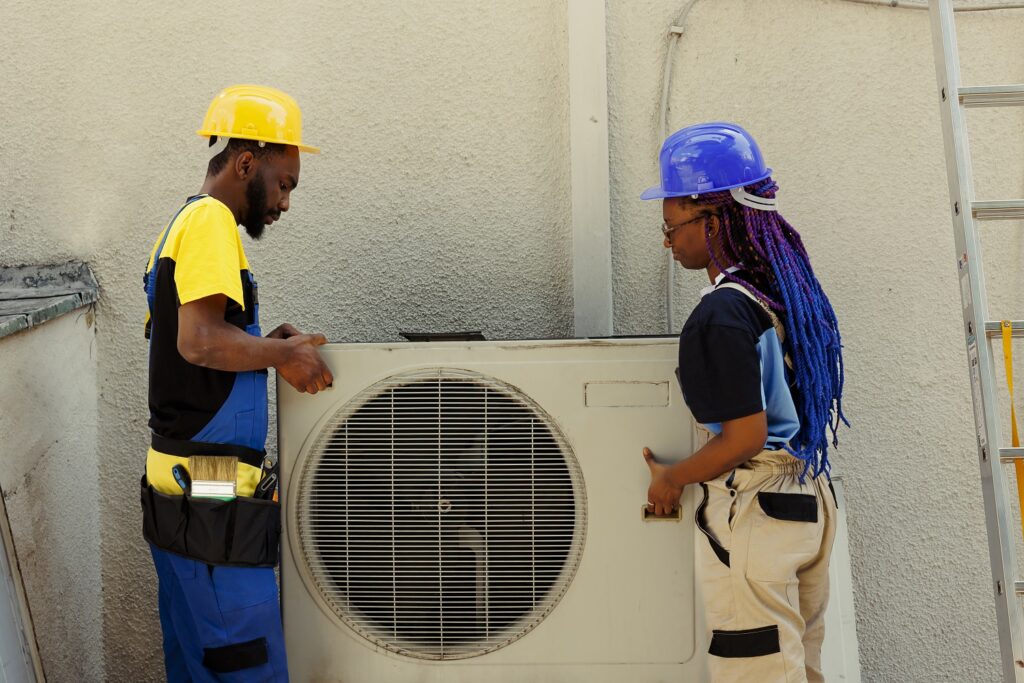
The outdoor unit houses the compressor and condenser, while the indoor units are responsible for distributing conditioned air in different zones or rooms.
Refrigerant lines connect the outdoor and indoor units, allowing for the transfer of heat or cool air. Additionally, a remote control or thermostat is used to control the system.
With their energy efficiency, flexibility in zoning, improved indoor air quality, and easy installation compared to traditional HVAC systems, ductless systems offer homeowners a convenient and effective solution for heating and cooling their living spaces.
How a Ductless HVAC System Works?
A ductless HVAC system operates using an outdoor unit and one or more indoor units. The outdoor unit houses the compressor and condenser, while the indoor units deliver conditioned air directly into different zones of the home.
Refrigerant lines connect the indoor and outdoor units, allowing for heat absorption or extraction to provide cooling or heating as needed.
The Functioning of Indoor and Outdoor Units
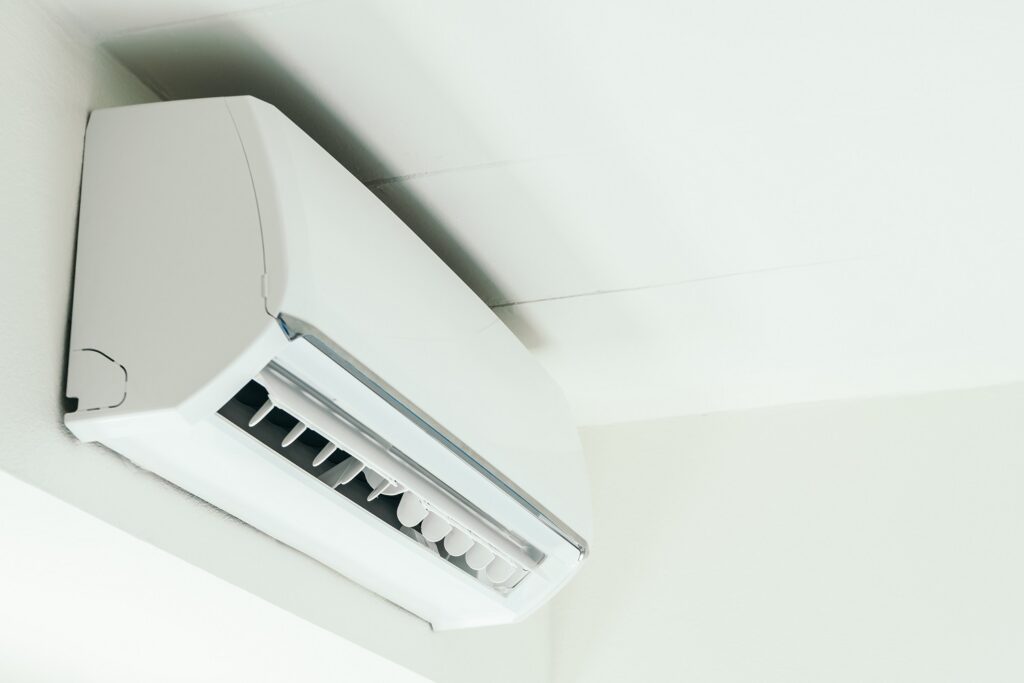
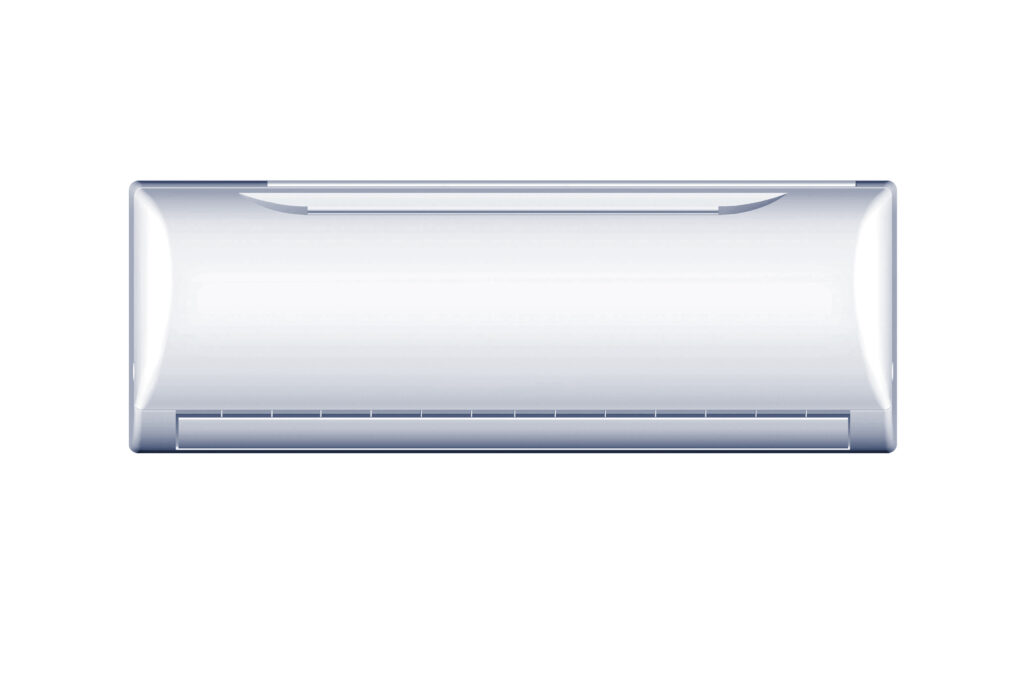
Ductless HVAC systems, also known as mini-split systems, consist of an indoor and outdoor unit. The indoor unit, mounted on a wall or ceiling, houses the evaporator coil, fan, and air filter.
On the other hand, the outdoor unit contains the compressor, condenser coil, and expansion valve. These two units are connected by a refrigerant line that circulates refrigerant between them.
When the system is turned on, the indoor unit pulls in warm air from the room, which then passes over the evaporator coil to be cooled and dehumidified. The cooled air is then circulated back into the room through the fan.
Why Choose a Ductless HVAC System?
Ductless HVAC systems offer personalized comfort with individual temperature control in different rooms. They are highly energy-efficient, eliminating energy loss through ductwork.
Additionally, these systems are flexible and easy to install, making them suitable for various construction projects. With their sleek design, they seamlessly blend into any interior decor.
Energy Efficiency and Cost Savings of Ductless HVAC Systems
Ductless HVAC systems offer significant energy efficiency advantages compared to traditional systems with ductwork.
By eliminating the need for ducts, these systems prevent energy loss and provide precise and consistent heating and cooling through advanced technology, such as inverter-driven compressors. Additionally, the ability to control temperature individually in different zones of the home can lead to substantial cost savings by only heating or cooling occupied areas.
Moreover, the installation process is typically quicker and less invasive than that of traditional HVAC systems, making it an efficient choice. Ductless systems also contribute to environmental sustainability by using refrigerants with a lower impact on the ozone layer.
Enhanced Comfort with Ductless HVAC systems
Ductless HVAC systems offer enhanced comfort through individual temperature control for each room, providing personalized comfort.
With their energy-efficient design, these systems help lower utility bills compared to traditional ducted systems. The installation process of ductless systems is easy and minimally disruptive to your home or office space, thanks to the absence of ductwork.
By eliminating the risk of air leaks, ductless HVAC systems improve indoor air quality, ensuring a healthier environment. Additionally, the flexibility of zoning allows you to heat or cool specific areas as needed, enhancing your comfort further. Moreover, these systems operate quietly, creating a peaceful and comfortable living or working environment.
Flexibility and Zoning Capabilities of Ductless Systems
Ductless HVAC systems offer enhanced comfort by allowing for individual temperature control in each room or zone of a home.
These systems provide flexibility as they can be easily installed in spaces where traditional ductwork is not feasible or practical. With zoning capabilities, homeowners can customize the temperature settings for different areas of their home, optimizing comfort and energy efficiency.
Ductless systems are known for their quiet operation, providing a peaceful and comfortable environment. In addition to comfort, ductless HVAC systems offer energy savings by allowing users to only heat or cool the rooms that are being used, reducing energy waste.
Is a Ductless HVAC System Right for Your Home?
Considering limited space for ductwork, energy efficiency, and personalized comfort, a ductless HVAC system might be the perfect fit for your home. It offers versatile heating and cooling solutions while reducing utility costs.
Maintenance and Longevity of Ductless HVAC Systems
Ductless HVAC systems offer homeowners several advantages when it comes to maintenance and longevity. Unlike traditional ducted systems, ductless systems require less maintenance overall.
Without ductwork, there is no need for regular cleaning or sealing of the ducts, saving homeowners both time and money on maintenance and repair costs.
Additionally, ductless systems tend to have a longer lifespan than traditional systems, with some models lasting up to 20 years. However, it’s important to note that regular filter cleaning or replacement is necessary to maintain optimal performance and indoor air quality in ductless HVAC systems.
What is a Ductless HVAC System?
A ductless HVAC system, also known as a mini-split system, is a heating and cooling solution that eliminates the need for ductwork.
It consists of an outdoor unit and one or more indoor units, connected by refrigerant lines. Each indoor unit can be controlled independently for personalized comfort.
Ductless systems are energy-efficient, improve indoor air quality, and offer easier installation compared to traditional HVAC systems.
Benefits of Installing a Ductless HVAC System
Ductless HVAC systems offer numerous benefits to homeowners. First and foremost, they are highly energy-efficient as they eliminate the need for ductwork, which can result in energy loss.
This not only helps reduce energy consumption but also leads to cost savings on utility bills in the long run. Additionally, ductless systems improve indoor air quality by incorporating built-in filters that remove dust, allergens, and other pollutants from the air.
The installation process is also hassle-free and quick, requiring minimal disruption to the home or office. Moreover, ductless systems provide zoning capabilities, allowing for individual temperature control in different zones or rooms, ensuring personalized comfort and reducing wasted energy.
How to Choose the Right Ductless HVAC System
When choosing a ductless HVAC system, there are several factors to consider. Start by assessing the size and layout of your space to determine the appropriate capacity and number of indoor units needed for optimal heating and cooling.
Look for models with high SEER ratings, as this indicates energy efficiency and can help save on utility costs. Additionally, consider additional features such as Wi-Fi connectivity and smart thermostats for added convenience and control.
It’s also important to research different brands and read customer reviews to ensure reliability and quality. Finally, consulting with a professional HVAC technician can help assess your specific needs and recommend the best ductless HVAC system for your home or business.
Professional Installation for Maximum Comfort
Ductless HVAC systems offer enhanced energy efficiency and cost savings, making them a practical choice for homeowners. With zoned heating and cooling capabilities, these systems provide personalized comfort in different areas of the home.
Installation is quick and easy, requiring minimal disruption to your living space. The advanced filtration options ensure improved indoor air quality, reducing allergens and pollutants. Additionally, the flexibility in installation locations and design options allow for seamless integration into any home.
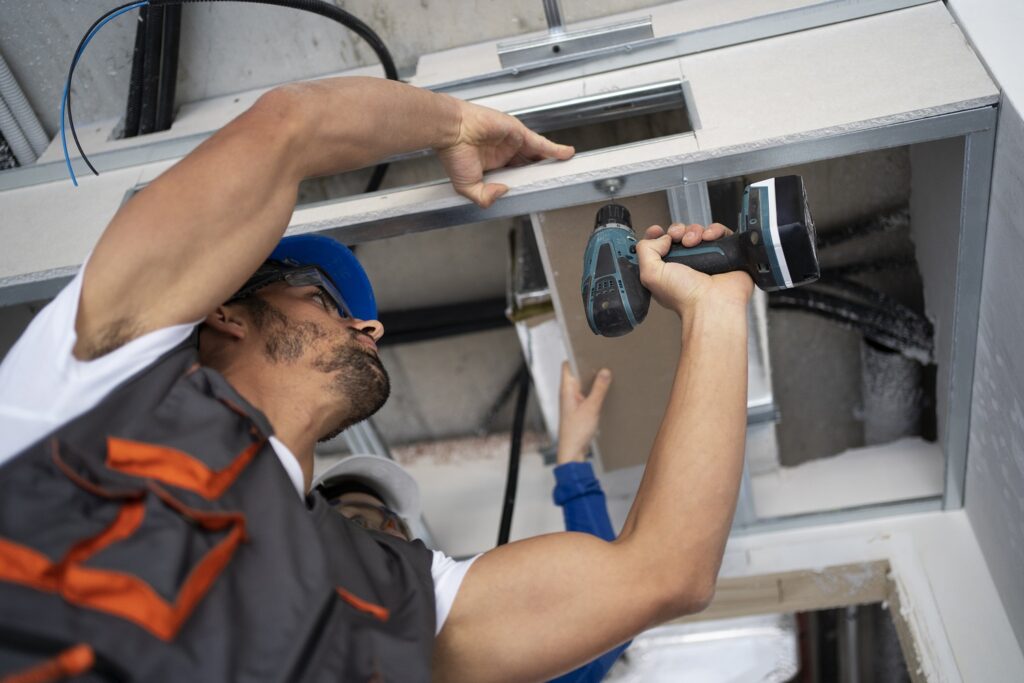
To maximize the performance and longevity of your ductless HVAC system, professional installation is highly recommended. By entrusting the installation process to experts, you can enjoy maximum comfort and peace of mind.
What is a Ductless HVAC System?
A ductless HVAC system, also known as a mini-split system, is an efficient heating and cooling solution that eliminates the need for ductwork. It consists of indoor units installed in individual rooms and an outdoor unit. Offering flexibility, energy efficiency, and improved air quality, it’s a popular choice for homeowners.
Benefits of Installing a Ductless HVAC System
Ductless HVAC systems offer a range of benefits. Firstly, they are highly energy-efficient compared to traditional systems, resulting in lower utility bills.
Additionally, their easy installation process is less invasive and time-consuming compared to installing ductwork. With zoned heating and cooling capabilities, ductless systems allow for individual temperature control in different areas or zones of your home, increasing comfort while saving energy.
Moreover, these systems boast advanced filtration capabilities, improving indoor air quality by removing dust, allergens, and other pollutants from the air. Lastly, with their increased energy efficiency and targeted heating and cooling, ductless systems can lead to significant cost savings over time.
Cost-Effective Comfort
Ductless HVAC systems provide cost-effective comfort by offering energy-efficient heating and cooling, resulting in lower utility bills.
These systems allow for personalized comfort as they enable individual temperature control in different zones of a home or building.
What makes ductless systems even more appealing is their quick and easy installation process, without the need for extensive construction or remodeling. Additionally, ductless HVAC systems are quieter than traditional ducted systems, creating a more peaceful indoor environment.
Furthermore, these systems improve indoor air quality by reducing the circulation of dust, allergens, and other pollutants commonly found in ductwork. By investing in a ductless HVAC system, homeowners can enjoy optimal comfort while saving on energy costs.
Easy Installation and Maintenance
Ductless HVAC systems offer easy installation compared to traditional systems that require extensive ductwork.
With ductless systems, there is no need for complicated construction or remodeling, making the installation process quick and hassle-free.
Maintenance for ductless systems is also simpler and more cost-effective. Unlike ducted systems, there are no ducts to clean or repair, reducing maintenance time and expenses.
Additionally, ductless systems provide more flexibility in terms of placement and zoning, allowing for customized comfort in different areas of the home.
These systems are energy-efficient, helping to lower utility bills and reduce the environmental impact. Moreover, by eliminating the need for ducts, ductless HVAC systems can improve indoor air quality by eliminating the potential for dust and allergens to accumulate.
Overall, easy installation and low-maintenance make ductless HVAC systems a convenient and practical choice for homeowners seeking comfort and efficiency.
Frequently Asked Questions
How does a ductless HVAC system differ from a traditional HVAC system?
Ductless HVAC systems, also known as mini-split systems, differ from traditional HVAC systems in that they don’t require ductwork for air distribution. Unlike traditional systems, ductless systems offer individual temperature control in each room and are more energy-efficient due to the elimination of energy loss through ducts.
What are the advantages of a ductless HVAC system in terms of energy efficiency?
Ductless HVAC systems offer several advantages in terms of energy efficiency. By eliminating ductwork, these systems eliminate energy losses associated with traditional ducted systems.
They also allow for precise temperature control in individual rooms, reducing energy waste. In addition, ductless systems use inverter-driven compressors that adjust their speed based on heating or cooling needs, resulting in lower energy consumption.
Are there any specific requirements or considerations for installing a ductless HVAC system?
To install a ductless HVAC system, you’ll need an outdoor unit and one or more indoor units. Optimal placement is crucial, as each indoor unit should be installed in a specific location.
The number of units required depends on the size and layout of your space. Professional installation ensures proper sizing and placement.
Can a ductless HVAC system be used for both heating and cooling purposes?
A ductless HVAC system is a versatile option that can be used for both heating and cooling purposes. With reversible heat pumps, these systems can easily switch between modes to provide year-round temperature control. This flexibility is one of the main advantages of ductless HVAC systems.
Conclusion
An overview of The Benefits of Ductless HVAC Systems in Coquitlam In conclusion, ductless HVAC systems offer a wide range of benefits that make them an attractive choice for homeowners.
From energy efficiency and cost savings to enhanced comfort and flexibility, these systems provide a convenient and effective solution for heating and cooling your home. If you’re considering upgrading your HVAC system, it’s worth exploring the benefits of a ductless system.
To learn more about the advantages of ductless HVAC systems and how they can improve your home’s comfort and energy efficiency, contact our team today.
We’ll help you choose the right system for your needs and ensure professional installation for maximum comfort. Missing Ductless Air Conditioning Systems in Coquitlam Canada – Make the Switch Today!
